Garden & Plants
Use Case
Use Case · ₹199 – ₹1,500 per plant
Best Indoor Plants for Low Light & Air Purifying (2026) — 10 Hardy Picks
By Bikram Nath · Updated 2026-06-28 · How we pick · Affiliate disclosure: links earn a small commission
What's the best indoor plant to buy in India?
Which indoor plants work best in low-light Indian apartments? The UGAOO Snake Plant (Sansevieria) at ₹399 is genuinely the hardest to kill — tolerates dark corners, AC dry air, and 2-3 week watering gaps.
For trailing decor, money plant (pothos) at ~₹250 is the next default; ZZ plant rounds out the top 3 for the darkest interiors. Indian flats — especially north-facing or lower-floor units — get minimal direct sunlight, and the popular 'air-purifying' claim from the 1989 NASA study doesn't translate to real apartments with normal air exchange. Source plants from Ugaoo and Nurserylive (Amazon transit stresses living plants — buy from a local nursery if possible), and skip cheap Meesho 'plant bundles' that often arrive root-rotted. Most popular indoor plants are mildly toxic to pets — keep out of reach.
Snake Plant (Sansevieria)
Best starter plant for a dark apartment.
Affiliate links — we may earn a commission. Your price stays identical.
Quick Comparison
| # | Product | Best for | Brand | Price | Link |
|---|---|---|---|---|---|
| 1 | Snake Plant (Sansevieria) | Price Drop ↓16%, Hardest to Kill | UGAOO | Check price on Amazon | |
| 2 | Money Plant (Pothos) | Price Drop ↓23% | UGAOO | Check price on Amazon | |
| 3 | ZZ Plant (Zamioculcas) | — | Organic Bazar | Check price on Amazon | |
| 4 | Peace Lily (Spathiphyllum) | — | UGAOO | Check price on Amazon | |
| 5 | Spider Plant (Chlorophytum) | — | UGAOO | Check price on Amazon | |
| 6 | Aglaonema (Chinese Evergreen) | — | Organic Bazar | Check price on Amazon | |
| 7 | Philodendron (heartleaf) | — | UGAOO | Check price on Amazon | |
| 8 | Dracaena (Dragon Plant) | — | Organic Bazar | Check price on Amazon | |
| 9 | Cast Iron Plant (Aspidistra) | — | Generic | Check price on Amazon | |
| 10 | Areca Palm | — | UGAOO | Check price on Amazon |
Our Top Picks

Snake Plant (Sansevieria)
UGAOO
Price Drop ↓16%, Hardest to KillLight
Very low to bright indirect
Water
Every 2–3 weeks
Toxicity
Mildly toxic
Pros
- ✓Nearly indestructible
- ✓Tolerates dark corners better than most
- ✓Grows slowly — rarely needs repotting
Cons
- ✗Over-watering kills it
- ✗Not pet-safe
“Best starter plant for a dark apartment.”
Check price on Amazon

Money Plant (Pothos)
UGAOO
Price Drop ↓23%Light
Indirect bright to low
Water
Weekly
Toxicity
Mildly toxic
Pros
- ✓Trails or climbs — decorative flexibility
- ✓Propagates easily from cuttings
- ✓Forgiving
Cons
- ✗Needs some indirect light
- ✗Not pet-safe
“Classic indoor plant for a reason.”
Check price on Amazon

ZZ Plant (Zamioculcas)
Organic Bazar
Light
Very low to indirect
Water
Every 2–3 weeks
Toxicity
Mildly toxic
Pros
- ✓Thrives on neglect
- ✓Survives apartments with no natural light
- ✓Glossy leaves look premium
Cons
- ✗Slow grower
- ✗Costlier than snake plant
“Best for travelling owners and office corners.”
Check price on Amazon
We post daily Amazon price drops on WhatsApp — free, no spam.

Peace Lily (Spathiphyllum)
UGAOO
Light
Indirect bright to medium
Water
Weekly
Toxicity
Mildly toxic
Pros
- ✓Flowers indoors — rare among low-light plants
- ✓Droops visibly when thirsty — easy to read
- ✓Decorative
Cons
- ✗Doesn't tolerate direct sun
- ✗Not pet-safe
“Best if you want indoor flowers without drama.”
Check price on Amazon

Spider Plant (Chlorophytum)
UGAOO
Light
Indirect bright
Water
Weekly
Toxicity
Pet-safe
Pros
- ✓Pet-safe
- ✓Produces baby plants you can propagate
- ✓Fast grower
Cons
- ✗Needs more light than snake/ZZ
- ✗Brown tips from chlorinated water
“Best pet-safe option.”
Check price on Amazon

Aglaonema (Chinese Evergreen)
Organic Bazar
Light
Low to medium indirect
Water
Weekly
Pros
- ✓Variegated leaves — decorative
- ✓Tolerant of neglect
- ✓Various colour patterns
Cons
- ✗Not pet-safe
- ✗Cold sensitive — below 15°C struggles
“Great for adding colour in a low-light corner.”
Check price on Amazon

Philodendron (heartleaf)
UGAOO
Light
Indirect bright to low
Water
Weekly
Pros
- ✓Vining — good for hanging
- ✓Tolerant
- ✓Propagates easily
Cons
- ✗Not pet-safe
- ✗Similar to money plant — pick one
“Alternative to money plant with different leaf shape.”
Check price on Amazon
Dracaena (Dragon Plant)
Organic Bazar
Light
Indirect medium to low
Water
Every 10 days
Pros
- ✓Tall architectural plant
- ✓Tolerant
- ✓Good floor plant for living room corners
Cons
- ✗Slower grower
- ✗Brown tips from fluoride — use filtered water
“Best if you want a taller floor plant.”

Cast Iron Plant (Aspidistra)
Generic
Light
Very low
Water
Every 2 weeks
Pros
- ✓True low-light champion — tolerates near-darkness
- ✓Hard to kill
- ✓Long-lived
Cons
- ✗Very slow grower
- ✗Less decorative than other picks
“For the darkest corners where nothing else survives.”
Check price on Amazon
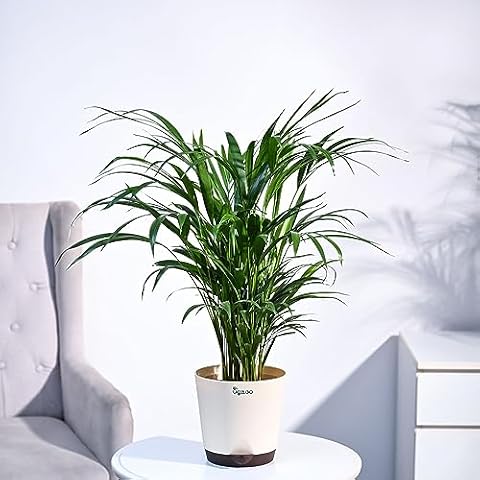
Areca Palm
UGAOO
Light
Indirect bright
Water
Twice weekly
Pros
- ✓Pet-safe
- ✓Tropical look
- ✓Bigger floor presence
Cons
- ✗Needs more light than snake/ZZ — not for dark corners
- ✗Prone to spider mites in dry rooms
“Best pet-safe floor plant — but only if you have some indirect light.”
Check price on Amazon
Prices shown are pulled live from Amazon.in and refresh through the day. Amazon prices and availability change frequently — the price on the Amazon product page at the time of purchase is the one that applies. As an Amazon Associate, PakkaPick earns from qualifying purchases; your price is unaffected.
Editor's read
Monsoon humidity in Indian homes is both blessing and curse for indoor plants. Snake Plant from UGAOO at ₹299–₹499 genuinely thrives in 60-80% moisture without rotting, unlike fussy ferns that hate our sticky air. The real trap most buyers fall into is treating low-light plants as no-light plants—even ZZ Plant needs at least 50 lux to survive year-round in north-facing flats during October to February when daylight drops sharply. Hard water from municipal supplies won't kill these picks, but filtered rainwater every other watering prevents mineral buildup on glossy leaves. Start with just Snake Plant and Money Plant; their negligible ₹200-400 price means zero regret if you forget them for weeks while traveling during summer holidays.
— Bikram, editor
Editor's take
Indoor and balcony gardening in India faces intense summer heat (40-45°C on south-facing balconies), monsoon humidity that breeds root rot, and hard water that alters soil pH. UGAOO and Organic Bazar products designed for Indian gardening conditions outperform international brands that assume temperate climates and soft water.
Further reading
How we picked these indoor plants
Every pick on this page starts from real shopper questions, not Amazon's bestseller rankings. We favour products with a deep, stable base of genuine Indian reviews over brand-new listings or ones with only a handful of ratings, and we cross-check the specs that matter for Indian conditions against manufacturer and expert sources. Our picks are researched from published specifications, expert reviews and aggregate buyer feedback — not hands-on lab testing — so we focus on telling you what to weigh for your situation rather than claiming to have bench-tested every unit.
Pricing on this page reflects realistic Amazon India retail. We ignore one-day flash deals, Prime-Day-only discounts, and stabilised retailer-only coupons that don't hold for someone shopping on a normal Tuesday. The ₹199 – ₹1,500 per plantband is what you'll actually pay if you walk into this listing today, not the cherry-picked best-discount value.
Our editorial process is one person — Bikram, based in Pune — researching garden & plants products against Indian use-case constraints (voltage variability, hard water in many cities, monsoon humidity, smaller flat sizes than Western default). The order of products on this page reflects our editorial ranking only. We do not accept paid placements, sponsored slots, or PR-pitched products. Our only commercial relationship is the Amazon affiliate link — clicking through earns a small commission, your price stays identical.
Buying indoor plants in India — what to know
- Indian retail vs imported products: Most indoor plants listed here have official Indian distributor warranty. Imported (grey market / parallel import) units are sometimes cheaper but carry no Indian service-centre warranty — for garden & plants, that gap is meaningful since service infrastructure varies sharply between metros and tier-2 cities.
- Voltage and electrical compatibility: Indian mains is 230V at 50Hz with notable fluctuation outside metros. Most indoor plants in this category aren't voltage-sensitive, but verify the product page mentions Indian voltage compatibility before importing or buying grey-market units.
- Delivery realities: Amazon India Prime delivery in metros lands in 1-2 days; tier-2 cities 3-5 days; remote pincodes 5-7. For festive periods (Diwali week, Raksha Bandhan, year-end), even Prime delivery slips by 1-2 days due to demand surges. Build that buffer into your purchase timing if the indoor plant is for a specific date.
- Return window math: Standard Amazon India return window is 7-10 days from delivery, not from purchase or unboxing. For gifts and items received before the actual occasion, the return clock starts on delivery — order closer to your need-by date so the return option remains live if the product disappoints.
- Warranty registration: Most garden & plantsbrands require online warranty registration within 7-15 days of delivery. Skipping this step often means the warranty period defaults to the manufacturing date (which can be months earlier) instead of your delivery date. Register on the brand's website with your invoice number — takes 2 minutes, saves a potential 1-3 month warranty gap.
- Stabiliser / surge protection: India's grid sees more voltage events than most product engineering tolerances assume. For indoor plants with electronic components, the 10–20 additional spend on a quality stabiliser pays for itself the first time it saves you from a power-surge replacement.
We Also Considered
Solid alternatives we evaluated. They didn't beat our top picks for this specific use case, but they're worth a look if your priorities differ.
Kraft Seeds Indoor Plants Low Light Air Purifying
View on Amazon →Popular Kraft Seeds option but the warranty claim process involves courier-based service centres — not ideal for tier-2/3 city buyers.
Ugaoo Indoor Plants Low Light Air Purifying
View on Amazon →Good value from Ugaoo but user reviews on Amazon.in flag inconsistent quality control — some units arrive with cosmetic defects.
Cocogarden Indoor Plants Low Light Air Purifying
View on Amazon →Decent performer from Cocogarden but newer models from the main picks offer better energy efficiency at similar pricing.
TrustBasket Indoor Plants Low Light Air Purifying
View on Amazon →Popular TrustBasket option but the warranty claim process involves courier-based service centres — not ideal for tier-2/3 city buyers.
What to Look For
- 1.Be realistic about 'air purifying': any measurable effect requires dozens of plants per room. One or two plants are for aesthetics and humidity, not detox.
- 2.Pick 2–3 plants to start, not 10. Get confident with basic care (watering rhythm, pest checks) before expanding.
- 3.Toxicity: most popular indoor plants are mildly toxic to cats and dogs (money plant, peace lily, philodendron, dracaena). Pet-safe alternatives include spider plant, areca palm, and Boston fern.
- 4.Light tolerance spectrum: snake plant and ZZ plant tolerate the darkest corners; peace lily and money plant need at least some indirect light; spider plant and areca palm want bright indirect.
- 5.Watering: under-water rather than over-water. Stick a finger 2 inches into soil; if moist, wait.
- 6.Rotate weekly: even low-light plants benefit from 2–3 days near a window per fortnight.
Frequently Asked Questions
Is it safe to keep snake plants or pothos in an air-conditioned Indian bedroom all year?
Yes. Snake plants (Sansevieria) and golden pothos are among the few species that tolerate AC rooms without issues — the dry, cool air does not harm them as long as watering is kept minimal (once every 10–14 days). Avoid placing them directly under the AC vent where cold air blows continuously, as this can cause leaf-tip browning over several weeks. Both species are non-toxic to adults, though keep away from pets.
Which low-light indoor plants survive courier delivery to Tier-2 and Tier-3 cities in India?
Snake plants, ZZ plants (Zamioculcas), and syngoniums are the most transit-tolerant because they ship bare-root or in semi-dry soil without wilting over 2–4 days in a box. Sellers on Amazon.in and Ugaoo typically ship these wrapped in moist coco peat. Avoid ordering peace lilies or ferns to addresses beyond metro cities — they wilt in transit heat and rarely revive on arrival.
Does a north-facing flat in India get enough light for money plant or spider plant to grow?
Most of the time, yes. North-facing Indian apartments typically receive indirect ambient light for 4–6 hours, which is sufficient for money plants (Epipremnum aureum), spider plants, and Chinese evergreens. Growth will be slower than in east-facing rooms. If the window is small or blocked by an adjacent building, supplement with a 10–15W grow bulb placed 30–40 cm above the plant for 6 hours daily — available on Amazon.in for around ₹300–₹600.
How many weeks can low-light indoor plants survive unattended during summer travel in India?
Snake plants and ZZ plants can typically go 3–4 weeks unwatered in a shaded indoor spot during Indian summers, making them reliable for vacation periods. Money plants can survive 10–14 days. Before leaving, water thoroughly, move plants away from direct sunlight, and use a terracotta pot with a saucer of water underneath to extend moisture retention. Avoid plastic sealing as it causes root rot in humid monsoon weather.
What is the best indoor plant in India?
The best indoor plant in India is the Snake Plant (Sansevieria). Best starter plant for a dark apartment.
How much does an indoor plant cost in India?
Indoor plant prices in India typically range from ₹199 – ₹1,500 per plant. Check current prices on Amazon for each pick listed above.
What should I look for when buying an indoor plant?
- Key factors: Be realistic about 'air purifying': any measurable effect requires dozens of plants per room. One or two plants are for aesthetics and humidity, not detox.
- Pick 2–3 plants to start, not 10. Get confident with basic care (watering rhythm, pest checks) before expanding.
- Toxicity: most popular indoor plants are mildly toxic to cats and dogs (money plant, peace lily, philodendron, dracaena). Pet-safe alternatives include spider plant, areca palm, and Boston fern.
What is a good budget indoor plant in India?
Areca Palm is a solid budget choice within this range. Best pet-safe floor plant — but only if you have some indirect light.
How long does Amazon India take to deliver indoor plants?
Amazon Prime members in metros (Mumbai, Delhi, Bangalore, Pune, Chennai, Hyderabad, Kolkata, Ahmedabad) typically get 1-2 day delivery. Tier-2 cities take 3-5 days. Remote pincodes (parts of North-East, interior Himachal, smaller towns in MP and Odisha) take 5-7 days. For indoor plants, we recommend verifying delivery date on the Amazon listing before checkout — bulkier garden & plants items occasionally take longer than the displayed Prime estimate.
Are these indoor plants available with No-Cost EMI on Amazon India?
Most products in the ₹199 – ₹1,500 per plant range qualify for No-Cost EMI on Amazon India when you check out with a credit card from HDFC, ICICI, Axis, SBI, or Kotak Mahindra. Some debit cards from these banks also work. The exact EMI options appear on the product page after you select a payment method — typically 3, 6, 9 month no-cost terms for ₹199 – ₹1,500 per plant, with longer 12-24 month terms available at small interest. Amazon Pay Later is also an option for orders under ₹60,000.
Can I return indoor plants on Amazon if they don't work as expected?
Most indoor plants on Amazon.in have a 7-10 day return window from delivery date for replacement or refund, provided the item is unused and in original packaging with all accessories. Personal-care and consumable items are typically non-returnable once the seal is broken. For appliances and electronics, the manufacturer warranty (usually 1-2 years) covers defects beyond Amazon's return window — register the product with the brand within 7 days of delivery to lock in the warranty start date.
Related Garden & Plants Guides
Tools
Best Garden Tools for Beginners in India (2026) — 8 Essentials
₹150 – ₹1,500
Use Case
Balcony Garden Setup Kit India (2026) — Complete 4x8 ft Starter Guide
₹3,500 – ₹7,000 total
Use Case
Monsoon Gardening India (2026) — Tools, Care Kit & Tips for Jun-Sep
₹199 – ₹1,800
Plant Care
Aloe Vera Care Products (2026) — Best Pot, Soil & Essentials for Indian Homes
₹100 – ₹1,200
Fertilizers
Best Organic Fertilizers in India (2026) — Vermicompost, Bone Meal, Neem Cake & More
₹149 – ₹999
Top Pick
Snake Plant (Sansevieria)